
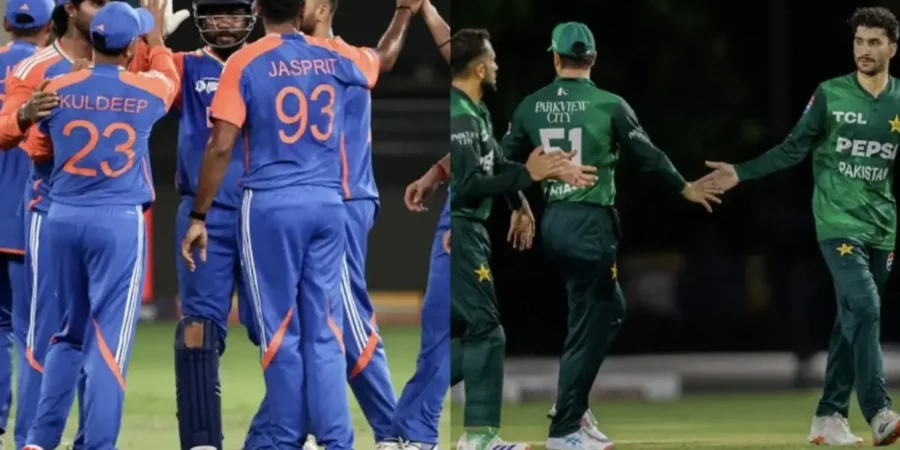
The cricket world has been struck by shockwaves this week. In a decision that has stunned fans, analysts, and boards alike, the Government of Pakistan has publicly announced that the Pakistan national cricket team will boycott its scheduled group-stage match against India in the ICC T20 World Cup on 15 February 2026 — even though the team will otherwise participate in the tournament.
This explosive development raises crucial questions: Why has Pakistan taken this unprecedented step? What does it mean for cricket? And how did we reach this point? Let’s break it all down.
A Surprising and Unusual Announcement
On Sunday evening, Pakistan’s government posted an official statement on social media platform X saying that while it had approved the national team’s participation in the T20 World Cup, the team “shall not take the field in the match scheduled on 15th February 2026 against India.”
Crucially:
- No official reason was given in that statement.
- Pakistan will still play the rest of their group games.
- The country is scheduled to meet India at a neutral venue in Colombo, Sri Lanka — due to existing political sensitivities that restrict bilateral series.
A Political Decision, Not a Sporting One?
Despite the lack of a formal explanation, there’s growing consensus among commentators that this move is politically motivated rather than a strategic cricketing choice.
Cricket between Pakistan and India has not been played as a bilateral series since 2012, largely due to longstanding diplomatic tensions between the two nations. Even in multi-nation events, clashes have been rare and heavily loaded with symbolism.
Now, at the T20 World Cup — one of the sport’s most anticipated stages — the very absence of this matchup has reignited talk about how geopolitics often overshadows sports in South Asia.
What Could Be Behind the Decision?
1. Reaction to Other T20 World Cup Controversies
One key backdrop to this situation is how the International Cricket Council handled Bangladesh’s removal from the tournament after the Bangladesh Cricket Board raised security concerns about playing in India. Pakistan publicly backed Bangladesh’s stance and appears to view that decision as unfair or discriminatory.
2. Diplomatic Sensitivities
Pakistan’s leadership may have faced internal pressure from political groups or policymakers to take a strong position that distances the country from India in a high-profile setting. Matches between these two teams often become much more than sport; they become statements.
3. Protecting National Interests
Officials in Pakistan might believe that boycotting this one match — while still competing in the tournament — sends a message about perceived double standards without completely withdrawing from the global event.
None of these reasons have been officially confirmed, but they reflect the complex geopolitical context surrounding this decision.
Impact on the Tournament
From a purely sporting perspective, this boycott comes with consequences:
- Two points will be forfeited to India if Pakistan doesn’t take the field — a major swing in a tightly contested group stage.
- The match’s absence is likely to hurt global viewership, sponsorship, and revenue, as India–Pakistan games consistently draw hundreds of millions of viewers worldwide.
- Fans across the globe — from Karachi to Kolkata to London — may miss out on what is often the most electrifying fixture in cricket.
Several cricket experts have even questioned how this move might affect Pakistan’s standing with the ICC and whether formal sanctions could ever be considered.
What Experts & Players Are Saying
Voices from the cricketing world reflect a mix of frustration and disbelief:
💬 Cricket analysts argue that skipping this match hurts the essence of competition and may set a dangerous precedent where non-sporting factors dictate tournament participation.
💬 Some fans and former players on social media are mocking the decision, while others point to past political issues that have played out in Asia Cup matches and World Cup fixtures.
The debate raises tough questions about whether sport can ever be truly separated from politics in regions with deep historical tensions.
A New Era of Cricket Diplomacy?
The India–Pakistan rivalry has shaped cricket for decades — but this boycott might signal a shift. No longer just about who wins on the field, these clashes are increasingly emblematic of broader diplomatic narratives.
Whether this trend is temporary or part of a longer evolution in South Asian cricket remains to be seen — but February 15, 2026 will be remembered as a historic moment in the sport, for reasons both on and off the pitch.
In Conclusion
Pakistan’s boycott of their T20 World Cup match against India is historic, controversial, and loaded with implications:
✅ It reflects continuing geopolitical tensions.
✅ It could change how international cricket handles politics and sport.
✅ It leaves fans and pundits debating far more than just cricket stats.
Whatever your perspective — as a fan, analyst, or neutral observer — this decision will go down as one of the most talked-about moments of the T20 World Cup.

Leave a Reply